From the Fields of Kuban to the Tables of the Middle East: Russian Flour Exports from Krasnodar to Turkey, Iraq and Iran
The Krasnodar Region — historically known as Kuban — is the agricultural heart of southern Russia and one of the most fertile wheat-growing territories in the world. Its rich chernozem soil, mild climate and proximity to the Black Sea ports have made it the natural home of Russia's flour-milling industry. Every season, millions of tons of high-grade wheat are harvested across the Kuban plains and transformed into flour that is shipped to markets across the Mediterranean, the Middle East and Central Asia. Today, that flour is increasingly finding its way to Turkey, Iraq and Iran — three of the largest wheat-flour import markets in the region — and Universal Partner is proud to be one of the companies building that bridge.
A Trading Partner Rooted in Three Krasnodar Mills
Universal Partner works directly with three flour-milling factories in the Krasnodar Region, each specializing in a different grade and blend of wheat flour. Rather than acting as a distant intermediary, our team visits these mills regularly, inspects production runs, verifies laboratory results and negotiates supply terms on behalf of our international clients. This close, on-the-ground relationship allows us to introduce our partner factories' products directly to export markets — matching the exact specification each buyer needs, from bakery-grade premium flour to more economical grades suited for large-volume industrial use, while guaranteeing consistent quality, transparent pricing and reliable delivery schedules season after season.
For our partner mills, this means access to buyers in Istanbul, Baghdad, Erbil, Tehran and beyond without having to build their own export departments. For our clients abroad, it means a single, trusted point of contact in Russia who already knows the factories, the harvest quality of each season, and the practical realities of moving flour from a Kuban mill to a foreign port or border crossing.
Product Range and Specifications
The mills we work with produce wheat flour to Russian GOST standards, with specifications tailored to each export destination:
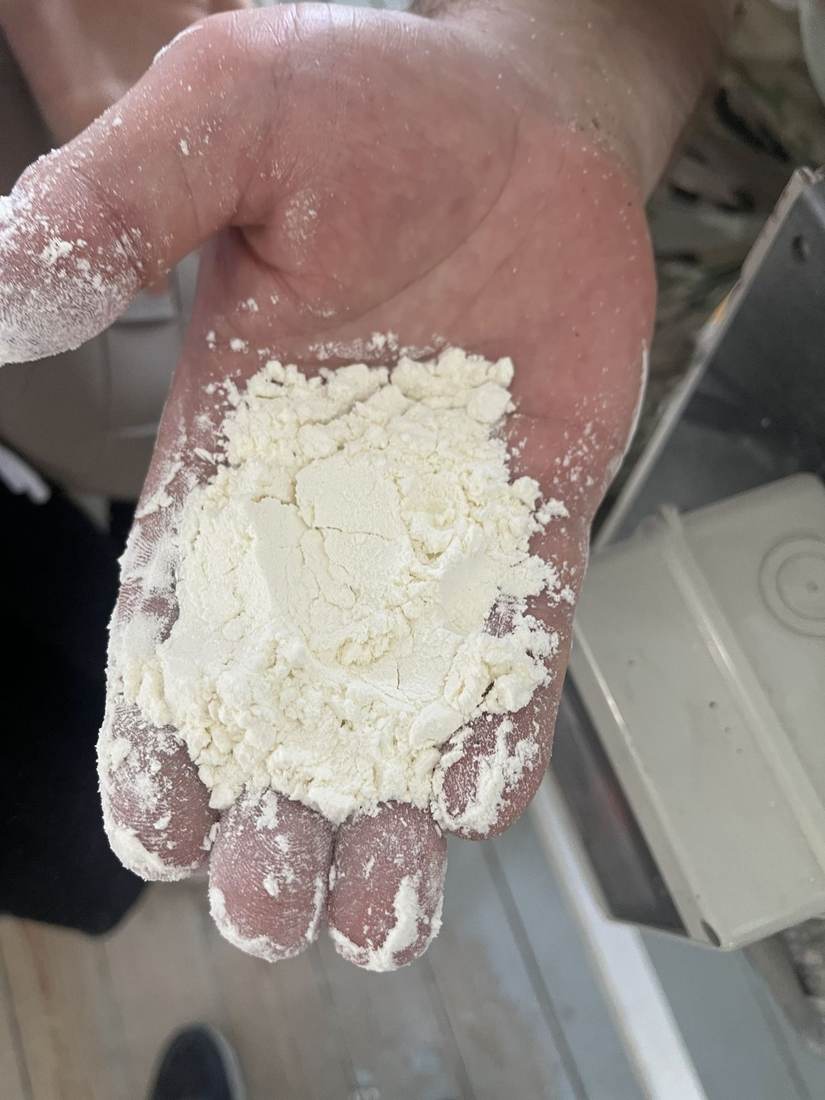
Premium (Extra / Grade 1) wheat flour — whiteness of 90% or higher, protein content of 11.5–13.5%, gluten content of 24–30%, moisture below 15%. Suited for bread, pastry and confectionery production, and the most requested grade among Turkish and Iraqi bakeries.
First- and second-grade flour — a more economical option with slightly higher ash content, widely used for flatbread, industrial baking and animal-feed-adjacent processing, popular with large-volume Iranian and Iraqi buyers.
Durum and semolina-type flour — produced on request for clients supplying pasta and confectionery manufacturers.
Every shipment is accompanied by a certificate of quality, a phytosanitary certificate and, where required by the buyer, a Halal certificate — an increasingly standard requirement for shipments to Turkey, Iraq and Iran.
Packaging and Logistics
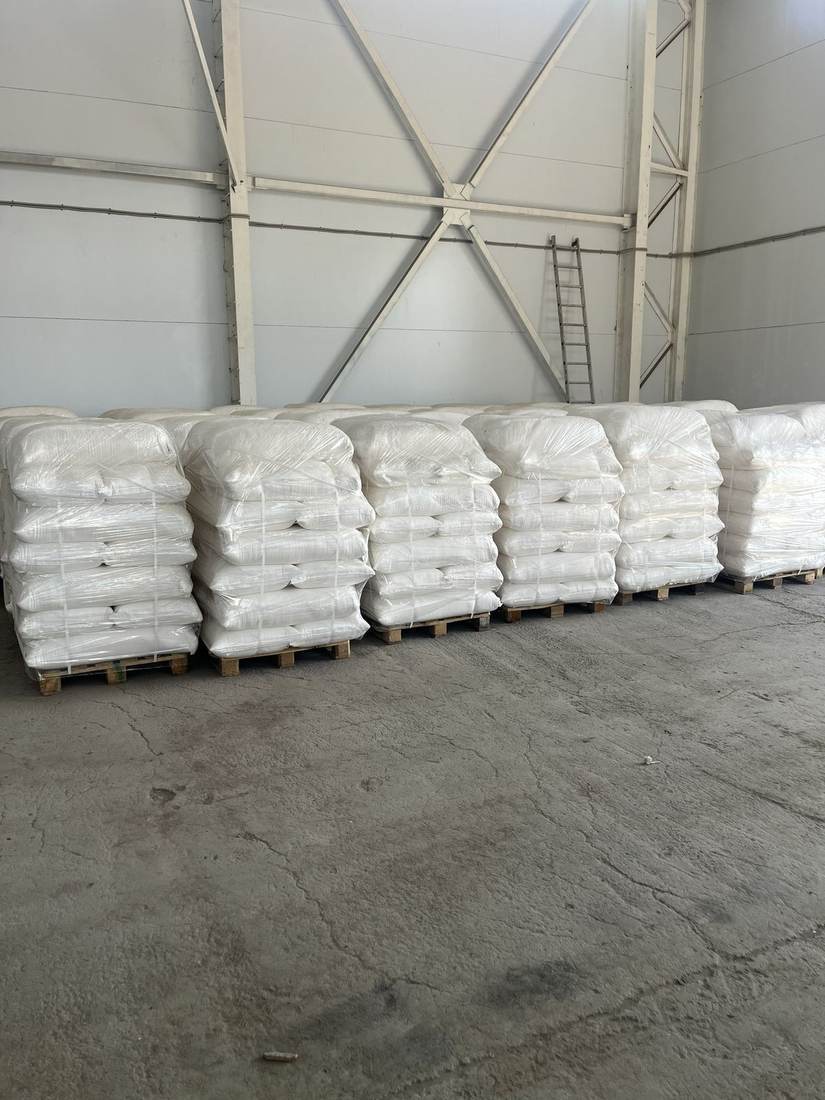
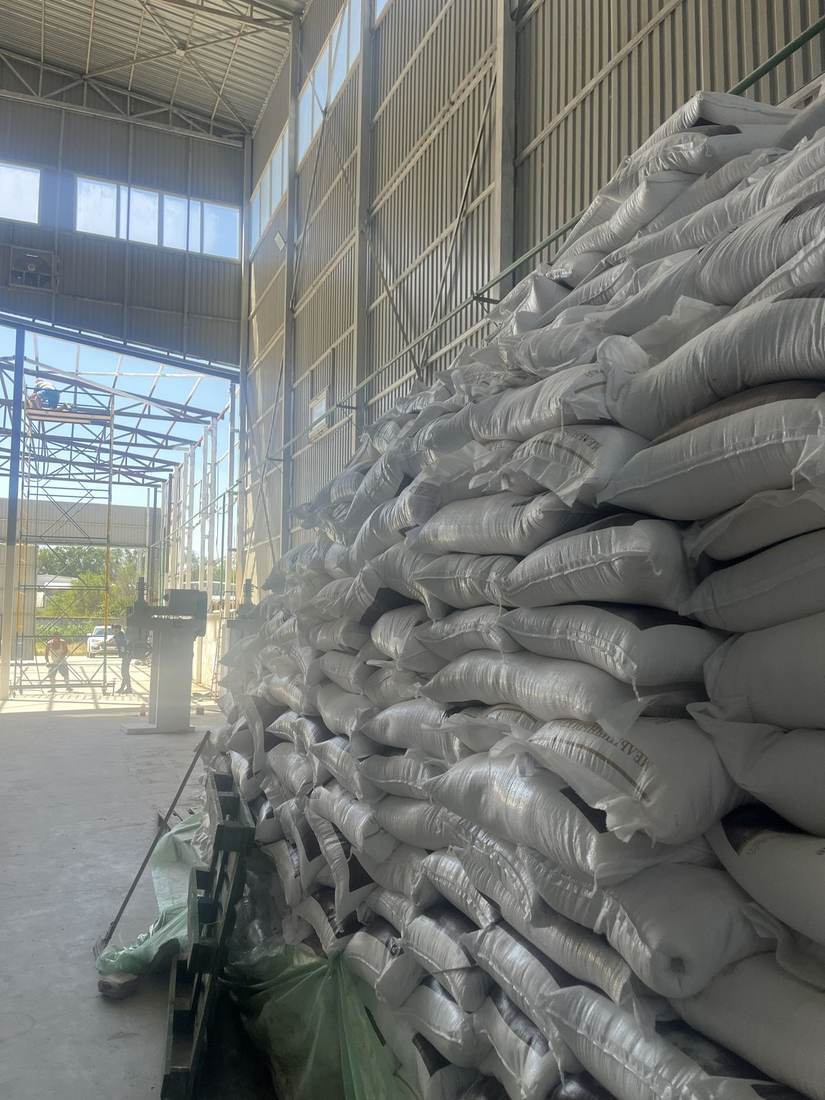
Flour is packed according to each buyer's requirements: standard 50 kg polypropylene bags with an inner polyethylene liner for humidity protection, smaller 25 kg or 10 kg retail-oriented bags on request, and 1-ton jumbo bags for industrial buyers who unload directly into their own production lines. Bags are palletized and shrink-wrapped for safe handling and container loading, and can be produced with private-label branding for buyers who wish to sell under their own trademark.
From the Kuban mills, flour is trucked to the export terminals of Novorossiysk and Taman on the Black Sea, where it is loaded into containers or bulk carriers for shipment to Turkish ports such as Istanbul, Mersin and Samsun, and onward to Iraq via Umm Qasr or overland through Turkey's southeastern border crossings. For Iran, shipments move either by sea through the Caspian route via Astrakhan and the port of Bandar-e Anzali, or through the Caucasus land corridor via Azerbaijan — routes that Universal Partner, with its dual presence in Russia and Iran, is well positioned to coordinate door-to-door, handling customs documentation on both sides of the border.
Why Turkey, Iraq and Iran
Turkey remains one of the world's largest flour exporters in its own right, yet continues to import Russian wheat and flour to supply its domestic milling industry and re-export trade. Iraq, with limited domestic milling capacity relative to its population, depends heavily on imported flour to meet everyday bread demand — flatbread and Samoon remain dietary staples nationwide. Iran, despite its own substantial wheat production, regularly imports specialty and premium-grade flour to complement domestic supply, particularly for its confectionery and export-oriented food industries. Across all three markets, buyers consistently cite Russian flour's competitive pricing, reliable volumes and short shipping distance from the Black Sea as decisive advantages over flour sourced from more distant origins.
A Reliable Bridge Between Kuban Mills and Your Market
Behind every bag of flour is a chain of people — millers monitoring grain quality, warehouse teams preparing pallets for loading, drivers and forwarders coordinating routes across three countries. Universal Partner manages that entire chain on behalf of its clients: negotiating directly with our partner factories in Krasnodar, verifying quality before shipment, arranging documentation and customs clearance, and staying in close contact with buyers in Turkey, Iraq and Iran throughout the process. Whether you are a bakery, a distributor or an industrial buyer looking for a dependable, long-term supply of Russian wheat flour, our team is ready to match you with the right product, the right price and the right shipping route.
To request a quotation, product specification sheet or sample, please contact Universal Partner directly — we would be glad to discuss your requirements and introduce you to the mill best suited to your needs.
